
Dogs
Comprehensive Guide To Dog Care – Nutrition And Exercise
Feb
There’s no denying that your dog’s well-being hinges on proper nutrition and regular exercise. In this comprehensive guide, you will learn how to create a balanced diet tailored to your furry friend’s needs, along with effective exercise routines to keep them healthy and happy. By understanding the importance of these two vital components, you can enhance your dog’s quality of life and strengthen your bond with them. Join us as we probe into the importants of dog care, specifically focusing on nutrition and physical activity.
Key Takeaways:
- Proper nutrition involves providing a balanced diet tailored to the dog’s age, breed, and activity level, ensuring they receive all vital nutrients.
- Regular exercise is vital for a dog’s physical and mental health, helping to prevent obesity and behavioral issues while promoting overall well-being.
- Monitoring a dog’s weight and adjusting their diet and exercise regimen as needed is important for maintaining optimal health throughout their life stages.
Understanding Dog Nutrition
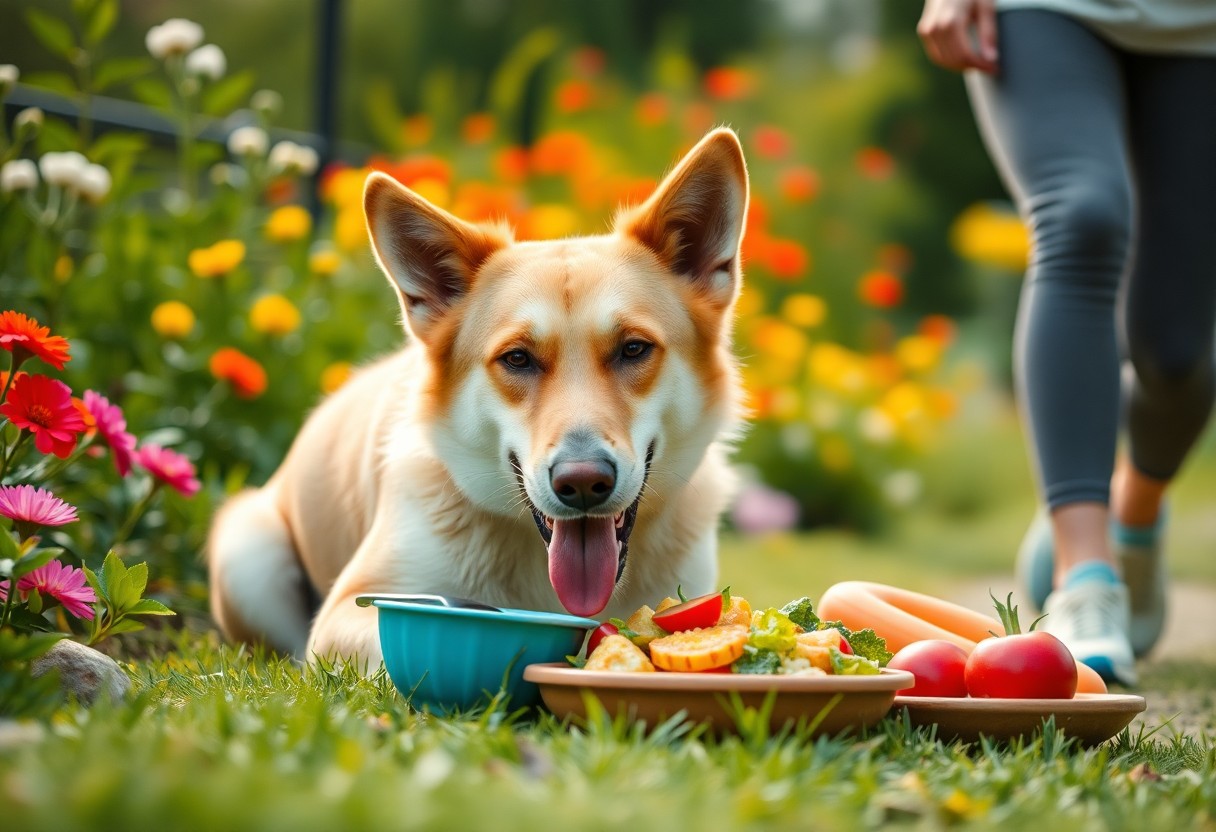
While caring for your dog, it’s important to understand the basics of canine nutrition. A well-balanced diet ensures your dog remains healthy, energetic, and happy. Proper nutrition will not only support their overall well-being but also prevent various health issues. The right amount and quality of food greatly influence your dog’s quality of life, so it’s important to make informed choices about what to feed them.
Types of Dog Food
For dog owners, it’s vital to understand the various types of dog food available. Each option has its benefits and considerations, which can impact your dog’s health.
| Type of Food | Description |
| Dry Kibble | Convenient and helps with dental health. |
| Canned Food | Higher in moisture; often more palatable. |
| Raw Diet | Focuses on raw meat and bones; can be nutritious. |
| Homemade Food | Allows you to control ingredients, ensuring freshness. |
| Prescription Diets | Specialized for health conditions; recommended by vets. |
The choice of dog food depends on various factors including your dog’s age, health, and lifestyle.
Key Nutritional Factors
You must consider several key nutritional factors when selecting the right diet for your dog. These factors play a significant role in their overall health and can greatly impact their energy levels and longevity.
- Protein
- Fats
- Carbohydrates
- Vitamins
- Minerals
Any dog food should contain the right balance of these nutrients to support your dog’s specific needs and breed characteristics.
Nutritional factors are not just about the basic components; they also entail how they work together to promote your dog’s health. Understanding your dog’s nutritional needs based on factors such as age, size, and activity level is vital for their well-being.
- Assess breed-specific needs
- Monitor weight and adjust portions accordingly
- Include omega fatty acids for skin health
- Ensure hydration alongside solid food
- Consult your vet for tailored advice
Any changes to your dog’s diet should be made gradually to prevent digestive issues.
Essential Exercise for Dogs
The health and happiness of your dog largely depend on regular exercise. Engaging in physical activity not only strengthens their body but also aids in mental stimulation, reducing anxiety and behavioral issues. Different breeds and ages may require varying levels of exercise, so understanding your dog’s unique needs can help you create a balanced routine that keeps them fit and fulfilled.
Types of Exercise Activities
The following list highlights effective exercise activities for your dog:
- Walking or jogging
- Playing fetch
- Swimming
- Agility training
- Interactive toys
The variety of activities ensures that your dog stays engaged and enjoys their workout.
Exercise Activities Overview
| Activity | Benefits |
| Walking/Jogging | Builds endurance and socializes dogs |
| Fetch | Promotes cardiovascular fitness |
| Swimming | Low-impact exercise for joints |
| Agility Training | Enhances coordination and obedience |
| Interactive Toys | Stimulates mental activity while exercising |
Step-by-Step Exercise Routines
To establish an effective exercise routine, follow these steps:
Routine Steps
| Step | Description |
| 1 | Warm-up with light walking |
| 2 | Engage in moderate exercise (fetch/jogging) |
| 3 | Include agility drills or obstacle courses |
| 4 | Cool down with gentle stretching |
| 5 | Hydrate and reward with treats |
A consistent routine fosters discipline and anticipation in your dog. Adjust the intensity and duration according to your dog’s age and fitness level, ensuring to monitor their response to the exercises. Incorporate a mix of activities to keep things interesting and to build a stronger bond with your pet. This planned approach will lead to a happier, healthier dog.
Routine Adjustment
| Adjustment Type | Notes |
| Intensity | Increase gradually based on your dog’s capability |
| Duration | Shorter sessions for younger or older dogs |
| Variety | Mix different activities to sustain interest |
| Consistency | Establish a routine for better results |
| Observation | Watch for signs of fatigue or distress |
Tips for Optimal Dog Care
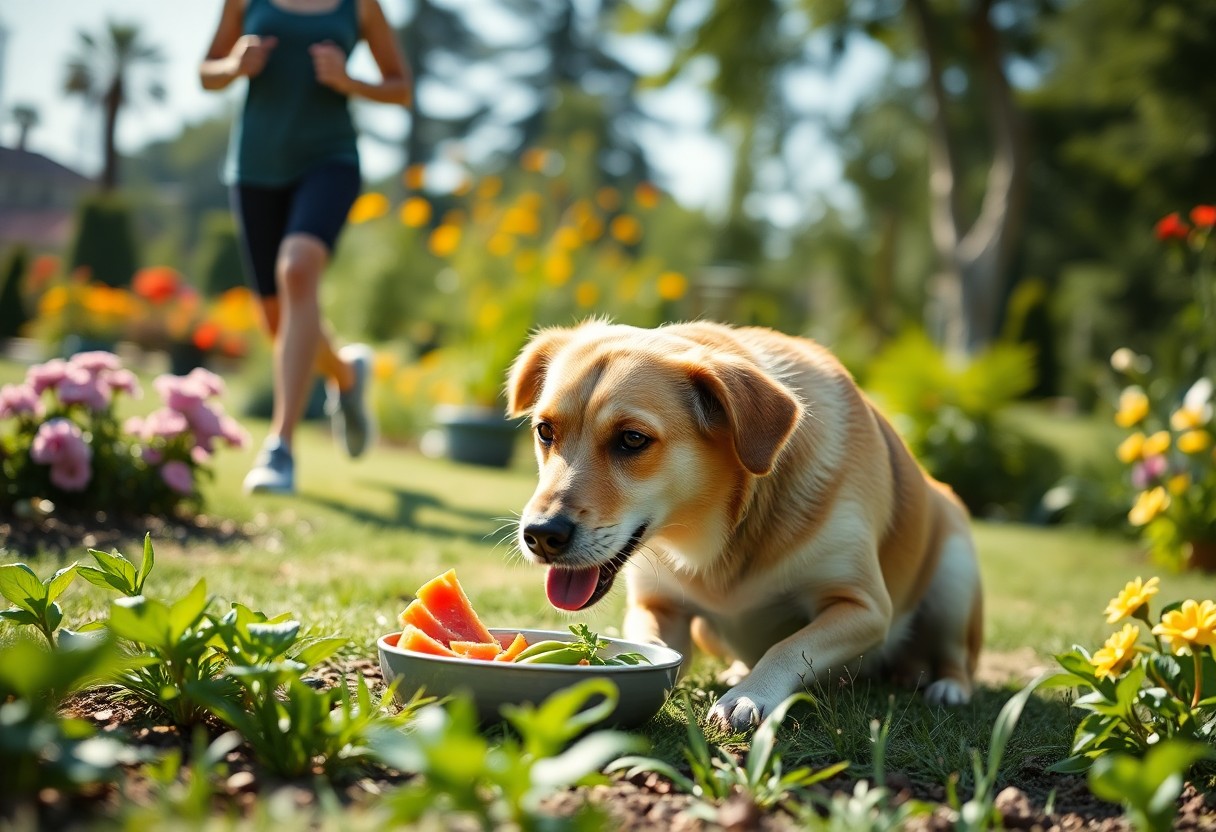
For the best care of your dog, consider a holistic approach that integrates their nutrition and exercise needs. Consistency and attention to detail play vital roles. Here are some tips:
- Establish a routine for feeding and exercise.
- Keep regular vet check-ups.
- Provide mental stimulation through toys and training.
- Ensure fresh water is always available.
After implementing these practices, you will notice improvements in your dog’s overall well-being.
Nutrition Tips
Any pet owner should focus on the nutritional health of their dog. A balanced diet is vital. Consider these suggestions:
- Choose high-quality dog food.
- Pay attention to portion sizes.
- Incorporate healthy treats in moderation.
- Consult with a vet for dietary guidance.
Perceiving the importance of nutrition can significantly enhance your dog’s health and happiness.
Exercise Tips
While you might think that exercise is just about playtime, it serves multiple important purposes for your dog. Regular physical activity aids in maintaining a healthy weight and improves mental well-being. Here are some guidelines:
- Take your dog for daily walks.
- Engage in interactive play sessions.
- Provide access to a safe, enclosed outdoor space.
- Consider canine sports or agility training.
The balance of exercise and rest is fundamental for your dog’s overall health.
Understanding your dog’s specific exercise requirements involves considering their age, breed, and energy levels. Tailoring activities to these factors can make the experience more enjoyable and beneficial. Here are recommendations:
- Mix walks with other activities like fetch or swimming.
- Adjust activity levels for older dogs.
- Check temperature conditions before outdoor play.
- Monitor your dog’s behavior for signs of fatigue.
The right approach to exercise will ensure your dog remains fit and fulfilled.
Pros and Cons of Different Dog Diets
Now, understanding the benefits and drawbacks of different dog diets can help you make the best choice for your furry friend. Each diet has its own unique attributes that may suit your dog’s specific needs, from raw to commercial options. Below is a breakdown of the advantages and disadvantages of various dog diets.
| Pros | Cons |
|---|---|
| Raw diets can provide fresh, natural nutrition. | Risk of bacterial contamination if not handled properly. |
| Commercial dog food is convenient and easy to store. | May contain fillers and artificial ingredients. |
| Homemade meals can be tailored to your dog’s needs. | Time-consuming to prepare and requires nutritional knowledge. |
| Grain-free diets can benefit dogs with sensitivities. | Potential for increased cost and less availability. |
| Some diets promote improved coat health and energy levels. | May require more frequent vet visits for dietary adjustments. |
Raw vs. Commercial Dog Food
Little do many pet owners know that raw and commercial dog food have distinct differences. While raw diets can mimic what dogs might eat in the wild, providing fresh and unprocessed nourishment, commercial dog food offers convenience, variety, and assurance of balanced nutrition. It’s necessary to weigh your lifestyle and your dog’s health needs when deciding between the two.
Grain-Free vs. Grain-Inclusive Options
With a plethora of grain-free and grain-inclusive options on the market, choosing the right diet for your dog can be challenging. Grain-free diets often appeal to dog owners concerned about allergies or digestion, while grain-inclusive foods may provide necessary nutrients and fiber. Both options come with their advantages and potential considerations to keep in mind.
Commercial grain-free dog foods have gained popularity alongside claims of reduced allergens and improved digestion for sensitive dogs. However, it’s necessary to note that recent studies suggest some grain-free diets could be linked to heart conditions. On the other hand, grain-inclusive diets can offer a balanced spectrum of nutrients, often at a more reasonable cost. Each dog is unique, so consider your dog’s health, activity level, and specific dietary needs when making your choice.
Tailoring Care to Your Dog’s Needs
All dogs have unique needs based on their age, health, activity level, and breed. By understanding these individual requirements, you can provide optimal nutrition and exercise for your furry friend. To learn more, check out The Ultimate Guide To Dog Nutrition.
Factors Influencing Dog Care
If you want to enhance your dog care strategy, consider these factors:
- Age
- Weight
- Activity level
- Health status
- Breed
Knowing these elements will help you customize your approach to meet your dog’s specific needs.
Special Considerations for Different Breeds
Any dog breed has its own set of requirements that can significantly affect their care. Factors such as size, energy level, and predisposed health conditions should influence your decisions.
The breed of your dog determines specific dietary needs and exercise requirements. For instance, small breeds may require more frequent meals, while large breeds might be prone to certain health issues, like hip dysplasia. Understanding these differences can help you ensure that your dog enjoys a healthy and balanced life.
Building a Balanced Dog Care Plan
Many pet owners strive to create a balanced dog care plan that promotes the overall well-being of their furry companions. This plan should address necessary aspects of care, including nutrition, exercise, and regular veterinary check-ups. By developing a consistent routine tailored to your dog’s unique needs, you’ll ensure they remain happy and healthy throughout their life.
Combining Nutrition and Exercise
With a well-rounded approach to nutrition and exercise, you can enhance your dog’s physical and mental health. Providing a balanced diet ensures your dog receives the necessary nutrients while regular exercise helps maintain a healthy weight and strengthens their muscles. By synchronizing these two elements, you’ll create a sustainable care plan that keeps your dog engaged and satisfied.
Adjusting the Plan Over Time
There’s a natural progression in your dog’s life that may require adjustments to their care plan. As your dog ages, their nutritional needs and activity levels may change, necessitating modifications to diet and exercise regimens. Staying attuned to your dog’s evolving requirements allows you to make informed decisions that support their health and enhance their quality of life.
Balanced adjustments to your dog care plan involve assessing both your dog’s physical condition and lifestyle. Regular veterinary visits can provide valuable insights into nutritional needs and suitable exercise types. As you adjust their food portions or exercise duration, consider factors like age, breed, and health conditions. This tailored approach benefits your dog’s well-being, ensuring they remain vibrant and active regardless of their life stage.
Final Words
So, as you initiate on the journey of dog ownership, prioritizing your pet’s nutrition and exercise is crucial for a healthy, happy life. By understanding their specific dietary needs and providing regular, engaging physical activities, you’re setting a solid foundation for their overall well-being. Adjusting routines as they age or as their needs change will also ensure they thrive. With your commitment and informed choices, you’re not just caring for a pet; you’re nurturing a lifelong companion.
Q: What are the necessary components of a dog’s diet?
A: A balanced diet for dogs typically includes proteins, fats, carbohydrates, vitamins, and minerals. Proteins can come from meat, fish, and plant sources, while healthy fats may include omega-3 and omega-6 fatty acids found in fish oil. Carbohydrates are often sourced from vegetables, grains, and legumes, which provide fiber. Additionally, ensuring your dog receives a variety of vitamins and minerals is important for overall health and wellbeing.
Q: How often should I feed my dog?
A: The feeding frequency for dogs depends on their age, size, and energy level. Puppies generally require more frequent meals, typically three to four times a day, while adult dogs usually thrive on two meals per day. It’s important to establish a consistent feeding schedule tailored to your dog’s individual needs, ensuring they maintain a healthy weight and receive adequate nutrition.
Q: What are some effective exercises for dogs?
A: Exercise is key to a dog’s physical and mental health. Some effective types of exercise include daily walks, playing fetch, swimming, and engaging in agility training. The amount and type of exercise required can vary based on your dog’s breed, age, and health status. Aim for at least 30 minutes to 1 hour of exercise daily, adjusting based on your dog’s energy levels and preferences.
Q: How do I know if my dog is overweight or underweight?
A: To assess whether your dog is at a healthy weight, you can perform a simple physical examination. You should be able to feel your dog’s ribs without excessive fat covering. Additionally, they should have a visible waist when viewed from the side. If you’re unsure, consulting with a veterinarian can provide professional insight and recommend appropriate diet and exercise adjustments.
Q: What should I do if my dog is a picky eater?
A: If your dog is a picky eater, it’s important to avoid overindulging them with treats or various food options, as this may reinforce their selective behavior. Instead, try offering a consistent diet while ensuring it’s high-quality and nutritious. You could also consider mixing in a bit of wet food, warm water, or toppings to make their meals more enticing. If their eating habits don’t improve or if there’s any health concern, consulting with a veterinarian is advisable.
