
Dogs
Understanding Your Dog’s Health Needs – A Care Checklist
Feb
Many pet owners find themselves puzzled when it comes to their dog’s health needs. Understanding what your furry friend requires for optimal health isn’t just important; it’s imperative for their well-being. This care checklist will guide you in assessing various aspects of your dog’s health, from nutrition and exercise to regular veterinary check-ups and grooming practices. By following these guidelines, you can ensure that your dog remains happy, healthy, and thrives in your care.
Key Takeaways:
- Regular veterinary check-ups are crucial in detecting health issues early and ensuring your dog’s overall wellness.
- A balanced diet tailored to your dog’s specific needs is vital for maintaining their health and preventing obesity.
- Consistent physical activity and mental stimulation are important for your dog’s physical fitness and emotional well-being.
Importance of Regular Veterinary Check-ups
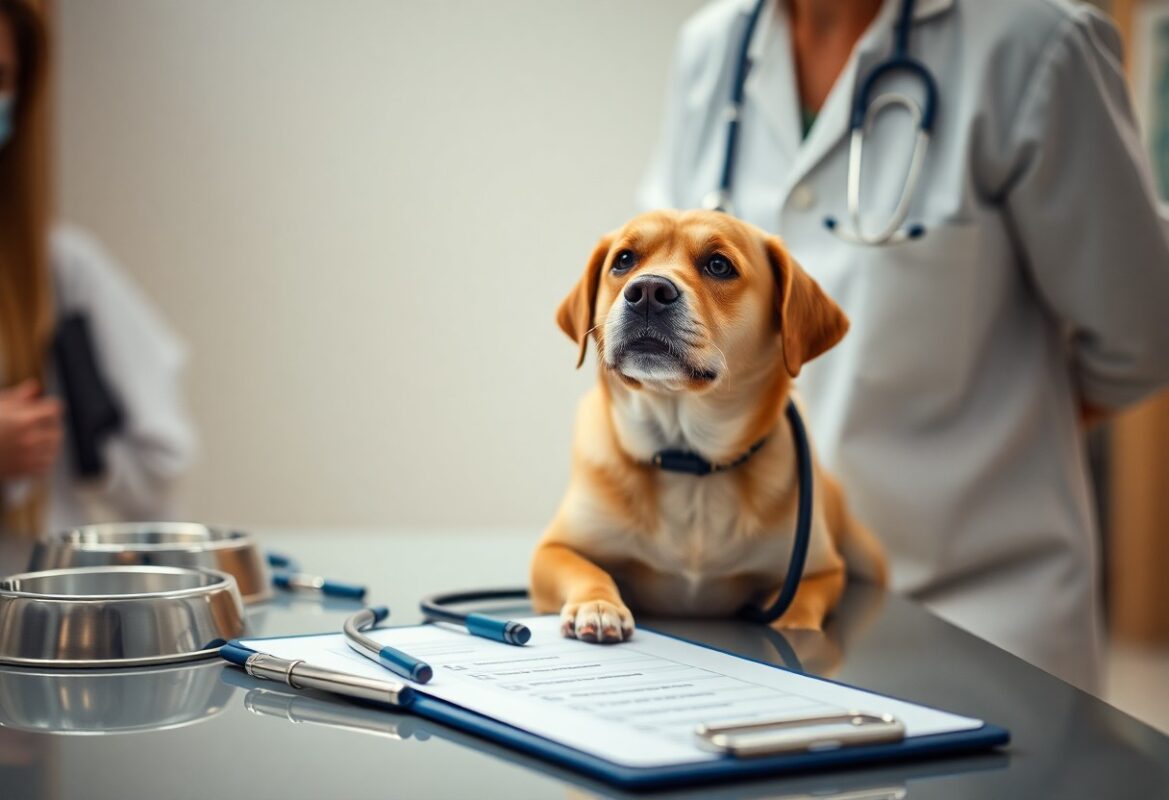
For your dog’s overall well-being, regular veterinary check-ups are crucial. These visits allow your veterinarian to monitor your pet’s health, catch potential issues early, and provide necessary treatments. Regular assessments help you stay informed about your dog’s specific health needs and ensure they receive the best care possible. By prioritizing these appointments, you actively contribute to a longer and healthier life for your furry friend.
Annual Health Screenings
Between check-ups, it’s important to schedule annual health screenings. These screenings typically include a thorough examination, blood tests, and other diagnostics designed to detect underlying health conditions before they become serious. By staying on top of your dog’s health assessments, you can address any concerns promptly and keep your pet feeling their best.
Preventive Care and Vaccinations
To safeguard your dog’s health, preventive care and vaccinations play an important role. These measures help defend against common diseases and conditions that can affect your pet’s life quality. Ensuring your dog is up-to-date on their vaccinations means you are actively reducing the risk of serious illnesses.
At every veterinary visit, your veterinarian will review your dog’s vaccination schedule and recommend any necessary boosters. Vaccinations protect against diseases such as rabies, distemper, and parvovirus, while preventive care also includes treatments for parasites like fleas and ticks. By investing in preventive care, you are taking a proactive stance to ensure your dog stays healthy and protected throughout their life.
Nutrition and Diet Requirements
You play a significant role in maintaining your dog’s overall health through proper nutrition. Choosing the right diet helps support their energy levels, immune system, and overall well-being. It’s important to provide a balanced mix of proteins, carbohydrates, fats, vitamins, and minerals tailored to your dog’s age, size, and activity level.
Understanding Nutritional Needs
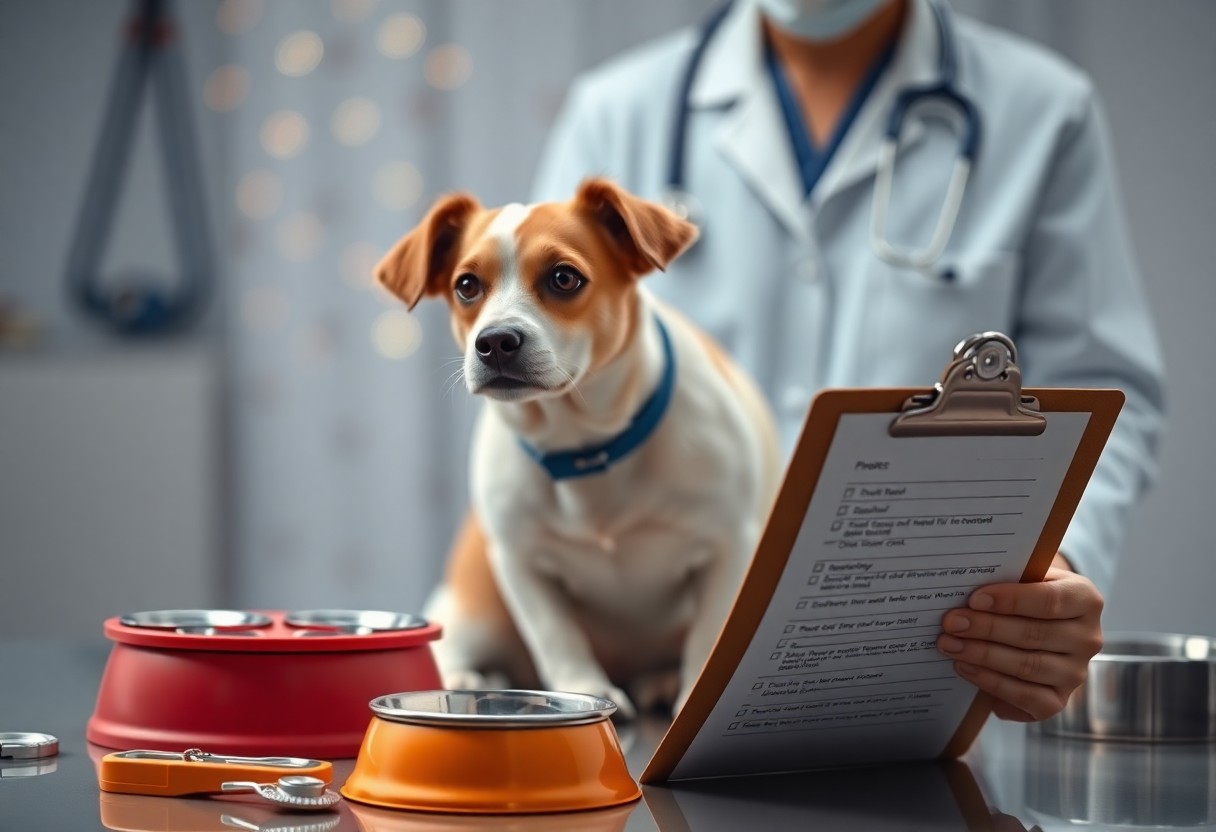
Below is a guideline to help you evaluate your dog’s dietary needs effectively. Consider their life stage, breed, and any specific health concerns that may influence their nutritional requirements. Always consult with your veterinarian to determine the best food options that suits your dog’s unique health profile.
Common Dietary Issues
Beside individual needs, you must also be aware of common dietary issues that can affect your dog. Allergies, weight management, and digestive problems often arise from an improper diet. Paying close attention to the ingredients in your dog’s food can help you identify any potential issues.
Nutritional deficiencies or excesses can lead to serious health problems, including obesity, diabetes, or gastrointestinal issues. Keeping an eye on your dog’s reactions to their diet is important; symptoms like itching, vomiting, or weight changes may signal a dietary problem. Consulting with a veterinarian can help you formulate a plan to address these issues effectively, ensuring your dog leads a healthy and happy life.
Exercise and Physical Activity
Despite being loving companions, your dog’s health largely depends on regular exercise and physical activity. Engaging your furry friend in daily walks, play sessions, and socialization fosters not only physical well-being but also emotional health. For more guidance, visit General Dog Care to ensure your dog leads a happy, active life.
Appropriate Exercise Routines
One way to determine the right exercise routine for your dog is to consider their age, breed, and energy level. Younger and more active breeds typically require longer, more intense exercise, while older or less active dogs may benefit from shorter, leisurely walks and gentle playtime. Tailoring your dog’s routine helps maintain a healthy weight and promotes overall wellness.
Signs of Over/Under-Exercising
Exercise is vital for your dog, but too much or too little can lead to health issues. Signs of over-exercising include excessive panting, limping, and reluctance to continue activity, while under-exercising may show as weight gain, destructive behavior, and restlessness. Observing these signs will help you adjust your dog’s exercise plan as needed.
But, it’s important to pay attention to your dog’s normal behavior patterns and physical responses. If you notice unusual fatigue or signs of stress, consider reducing the duration or intensity of activities. On the flip side, if your dog seems restless or overly energetic, you may need to increase their exercise. Understanding your dog’s specific needs will lead to a healthier and happier life.
Mental Stimulus and Enrichment
Keep your dog mentally stimulated by incorporating various enrichment activities into their daily routine. Dogs thrive on challenges that engage their minds, which can help prevent boredom and other behavioral issues. By providing a rich and stimulating environment, you’re ensuring a happier and healthier pup, leading to a stronger bond between you and your furry friend.
Importance of Mental Health
To maintain your dog’s overall health, addressing their mental well-being is as important as caring for their physical health. Dogs, like humans, require mental stimulation to stay engaged and satisfied. By ensuring your dog has plenty of enriching activities, you can prevent anxiety and destructive behaviors, ultimately leading to a more harmonious home life.
Activities to Promote Cognitive Function
By introducing a variety of activities into your dog’s routine, you can significantly enhance their cognitive function. Engaging games, puzzle toys, and training exercises will not only keep your dog entertained but also help sharpen their problem-solving skills. Mental challenges can be just as rewarding as physical exercise, ensuring a well-balanced approach to your dog’s health.
Consequently, incorporating specific activities such as scent work, interactive toys, and obedience training will provide your dog with the cognitive stimulation they need. Activities like hide-and-seek or agility courses can also ignite their curiosity and desire to learn. Regularly changing the types of mental engagements will keep your dog excited and motivated, making their day-to-day experiences enriching and enjoyable.
Recognizing Signs of Illness
Not every change in your dog’s behavior or appearance signifies illness, but being attentive to potential warning signs is vital for their health. Look for symptoms such as lethargy, loss of appetite, abnormal bowel movements, or excessive thirst. Any sudden changes, whether physical or behavioral, can indicate an underlying issue that may require your attention.
Common Health Concerns
Any dog is susceptible to various health problems, ranging from allergies to dental disease and obesity. Familiarizing yourself with these common concerns helps you stay vigilant and proactive about your dog’s health. Regular check-ups can help identify these issues early, allowing for effective management and improved quality of life.
When to Seek Veterinary Assistance
At times, it can be challenging to determine when a trip to the vet is necessary. If your dog exhibits prolonged symptoms like vomiting, diarrhea, or persistent coughing, or if you notice unusual swelling or behavior, it’s wise to consult your veterinarian to rule out serious conditions.
To ensure your furry friend remains healthy, you should establish a relationship with a trusted veterinarian and know your dog’s baseline behaviors and health parameters. If you notice anything out of the ordinary—even if it seems minor—don’t hesitate to reach out for professional advice. Early intervention can make a significant difference in treatment and recovery outcomes.
Senior Dog Care
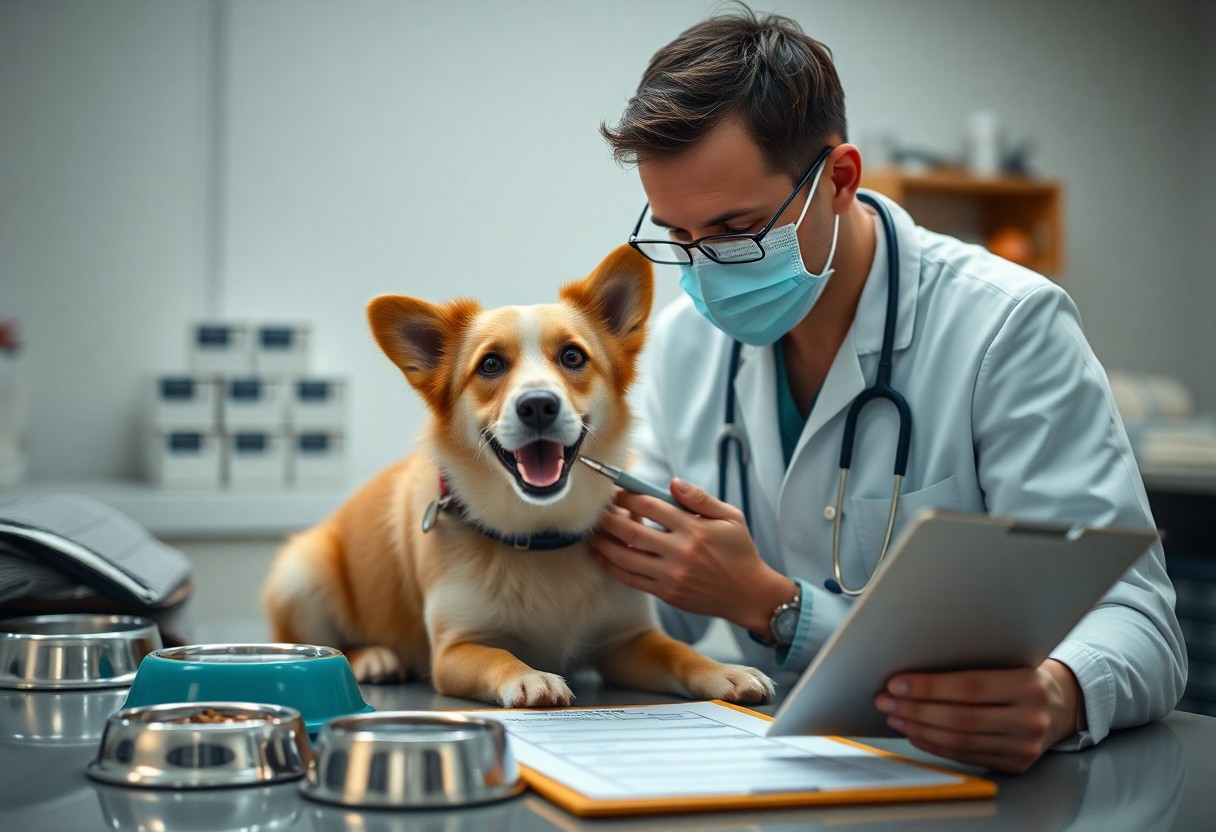
Unlike their younger counterparts, senior dogs require special attention as they enter their golden years. This stage of life often brings about various health changes, prompting you to adapt your care routine to ensure their comfort and well-being. Regular veterinary checkups become even more significant, and a keen awareness of their evolving needs can help you provide the best quality of life for your beloved pet.
Unique Health Challenges
Behind every aging dog are unique health challenges that can arise, including arthritis, dental disease, and decreased vision or hearing. Recognizing the signs of these issues early on empowers you to consult your veterinarian for appropriate treatments and adjustments to their daily routine. Awareness and proactive management are key to your senior dog’s health.
Tailoring Care for Aging Dogs
Challenges often arise as your dog ages, requiring a tailored approach to their care. Nutrition, exercise, and mental stimulation should be adjusted to accommodate their changing abilities and health conditions.
Care for aging dogs involves providing a balanced diet rich in nutrients that support joint and cognitive health. Incorporating gentle exercise, like short walks and play sessions, helps maintain their physical condition without overexertion. Additionally, mental stimulation through puzzle toys or training can keep their minds sharp. Regular vet visits will also help you monitor their health and adapt their care plan as needed, ensuring your senior dog remains comfortable and happy throughout their golden years.
Summing up
As a reminder, understanding your dog’s health needs is crucial for their overall well-being and longevity. By following a comprehensive care checklist that includes regular vet visits, a balanced diet, exercise, and attention to mental health, you can ensure your furry friend remains happy and healthy. Pay attention to any changes in behavior or physical condition, and don’t hesitate to seek professional advice when needed. Your proactive approach can significantly contribute to your dog’s quality of life.
FAQ
Q: What are the basic health needs every dog owner should be aware of?
A: Every dog owner should be aware of several basic health needs for their pet. These include regular veterinary check-ups, a balanced diet suitable for their dog’s age and weight, proper hydration, routine exercise, and mental stimulation. Additionally, it’s important to keep up with vaccinations, parasite prevention, and dental care to ensure overall well-being.
Q: How often should I take my dog to the vet for check-ups?
A: It is recommended to take your dog for a veterinary check-up at least once a year. However, senior dogs and those with specific health concerns may require more frequent visits. Regular check-ups allow the veterinarian to monitor your dog’s health, administer necessary vaccinations, and catch any potential health issues early on.
Q: What should I include in my dog’s diet to maintain good health?
A: Providing a balanced diet for your dog is necessary. This includes high-quality dog food that meets their nutritional needs based on age, size, and activity level. A mix of proteins, healthy fats, carbohydrates, vitamins, and minerals is necessary. Additionally, fresh water should always be available. Consult your veterinarian for specific dietary recommendations tailored to your dog.
Q: How can I ensure my dog gets enough exercise?
A: To ensure your dog gets sufficient exercise, establish a daily routine that includes walks, playtime, and other forms of physical activity that suit your dog’s breed and energy level. Engaging in interactive games like fetch or agility courses can be beneficial as well. The goal is to find activities your dog enjoys, allowing them to maintain a healthy weight and improve their mood.
Q: What signs indicate that my dog may have health issues?
A: Various signs may indicate health issues in your dog, including changes in appetite, excessive thirst, lethargy, vomiting, diarrhea, difficulties in mobility, or changes in behavior. If you notice any unusual symptoms or behaviors, it’s best to consult your veterinarian for a thorough evaluation to ensure your dog’s health is in check.
