
Dogs
Essential Dog Care Tips For Happy, Healthy Pets
Feb
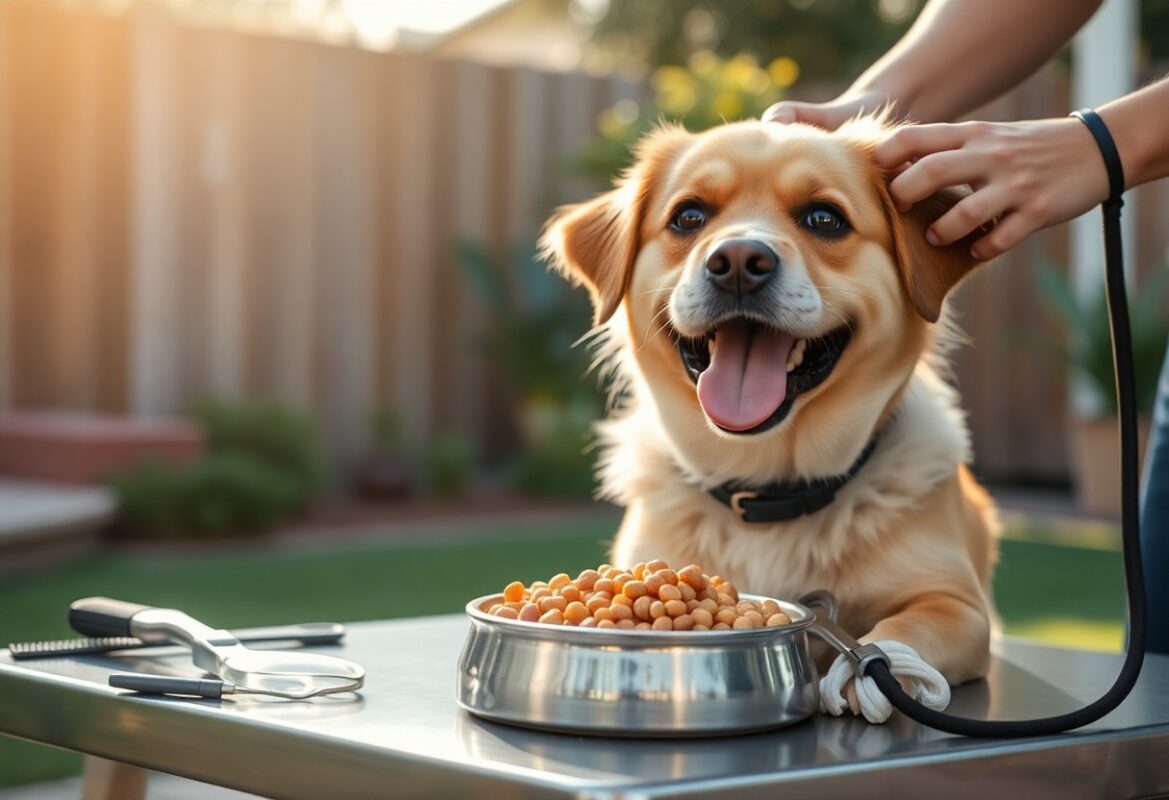
Wellness for your dog starts with understanding their unique needs and providing the right care. From proper nutrition and regular exercise to routine veterinary check-ups and mental stimulation, there are several important aspects to consider for your furry friend’s happiness and well-being. By prioritizing these dog care practices, you can create a loving environment that fosters a long, healthy life for your beloved pet. Let’s explore some key tips to ensure your dog thrives both physically and emotionally.
Key Takeaways:
- Regular veterinary check-ups and vaccinations are important for maintaining your dog’s health and preventing diseases.
- A balanced diet tailored to your dog’s age, size, and activity level will support their overall well-being and energy.
- Consistent exercise and mental stimulation are crucial for a happy and well-behaved pet, helping to reduce anxiety and destructive behaviors.
Understanding Dog Nutrition
Before you can ensure your dog leads a happy and healthy life, it’s important to grasp the basics of dog nutrition. Your dog’s diet plays a vital role in their overall well-being, influencing everything from their energy levels to their coat condition. By providing a balanced diet tailored to your dog’s specific needs, you can foster a strong immune system, maintain a healthy weight, and support appropriate growth and development.
Balanced Diet Essentials
After establishing the importance of nutrition, focus on providing a balanced diet that includes high-quality proteins, healthy fats, and a variety of fruits and vegetables. These components will give your dog the important nutrients they need for optimal health. Stay vigilant about portion sizes and consult your vet for advice on the right amounts to feed based on your dog’s age, size, and activity level.
Common Dietary Restrictions
Above understanding the importants, you should be aware of common dietary restrictions that may affect your dog’s food intake. Some dogs may have allergies or sensitivities to ingredients like grains, dairy, or certain proteins, requiring special diets tailored to their unique health needs.
Hence, it’s vital to observe your dog for any adverse reactions after eating, such as gastrointestinal upset, skin irritations, or behavioral changes. Consulting your veterinarian about any concerns regarding allergies or intolerances can help you make informed decisions. Transitioning to a specialized diet might be necessary for dogs with clear dietary restrictions, ensuring they receive proper nutrition without adverse effects.
Regular Exercise and Activity
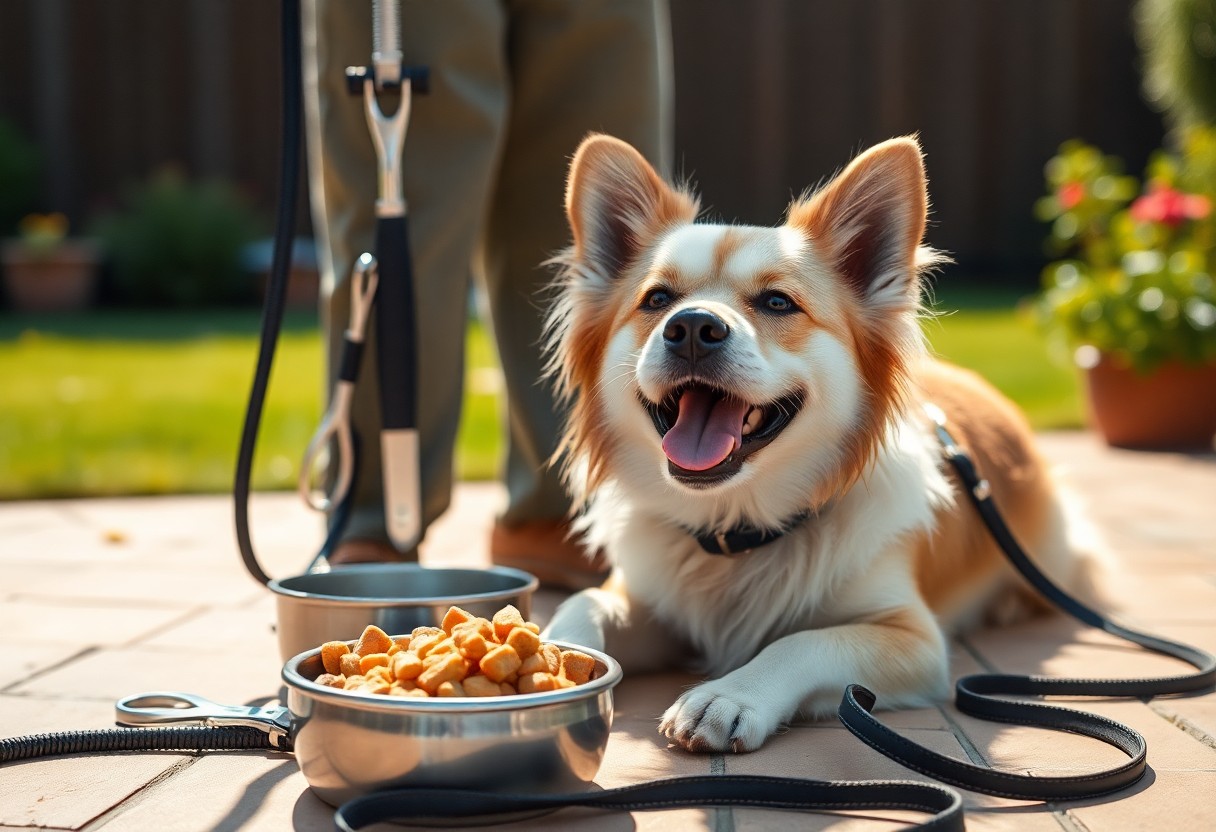
There’s no denying that regular exercise is key to your dog’s overall well-being. Engaging your pet in physical activities not only keeps them fit but also helps reduce behavioral issues, making for a happier home. Whether it’s a daily walk, playtime at the park, or interactive games, finding time for daily movement is vital for nurturing your furry friend’s health and happiness.
Importance of Daily Exercise
Importance of daily exercise for your dog cannot be overstated. Regular physical activity promotes heart health, maintains a healthy weight, and supports mental stimulation. A well-exercised dog is less likely to exhibit destructive behaviors and more likely to be sociable and obedient. By incorporating daily walks and play sessions into your routine, you foster a stronger bond and ensure your pet leads a vibrant, fulfilling life.
Fun Activities for Different Breeds
Activity variations can enhance your dog’s enjoyment based on their breed-specific traits and needs. High-energy breeds like Border Collies thrive on running and agility courses, while toy breeds may prefer short bursts of play with interactive toys. Knowing your dog’s temperament and physical capabilities can help you design engaging activities tailored to their personality.
A good way to approach activities is to consider your dog’s energy level and interests. For instance, sporting breeds may enjoy activities like fetch, swimming, or frisbee, while more laid-back breeds may prefer leisurely strolls in the park. Incorporating scent games or puzzle toys can be beneficial for all types of dogs, stimulating their minds and senses. By customizing your approach, you ensure that your dog remains excited and motivated to be active, leading to a healthier lifestyle for both of you.
Routine Grooming Practices
Your dog’s grooming routine is imperative to their overall well-being. Regular grooming not only keeps your pet looking and feeling their best, but it also allows you to check for any potential health issues. Whether it’s brushing their coat or trimming their nails, establishing a consistent grooming schedule helps maintain a happy and healthy pet.
Bathing and Brushing
An effective grooming regimen includes regular bathing and brushing. Depending on your dog’s breed and activity level, schedule baths every few weeks or as needed. Brushing helps remove loose fur and prevents matting, especially for longer-haired breeds. Using the right brushes and shampoos tailored to your dog’s coat type enhances their skin health and keeps them comfortable.
Nail Care and Ear Cleaning
Against neglecting your dog’s nail care and ear cleaning can lead to discomfort and health problems. Regularly trimming your dog’s nails prevents painful overgrowth and cracks, while cleaning their ears helps avoid infections and debris build-up. Keeping these areas groomed contributes to your dog’s overall health and happiness.
Further importance is placed on performing nail care and ear cleaning at regular intervals. For nail trimming, aim for every 3-4 weeks, ensuring you use the proper tools to avoid hurting your furry friend. Pertaining to ears, inspect them weekly for dirt and wax buildup; cleaning should be done with vet-recommended solutions. Maintaining these routines not only keeps your dog comfortable but also strengthens your bond with them as they trust you to take care of their needs.
Health Monitoring and Vet Visits
Now that you have your furry friend settled at home, it’s necessary to prioritize their health monitoring and vet visits. Regular check-ups not only ensure your dog is thriving but also help identify potential health issues early, allowing for timely interventions. Establish a routine that includes vet appointments to keep your dog’s health on track and to foster a strong relationship with your veterinarian.
Importance of Regular Check-Ups
An necessary part of responsible pet ownership is scheduling regular check-ups with your vet. These visits help monitor your dog’s overall health, track their growth and development, and stay ahead of any emerging health concerns. By prioritizing these appointments, you are ensuring that your dog receives the proactive care they need to live a long, healthy life.
Vaccination and Preventive Care
Check-ups are an excellent time to discuss vaccinations and preventive care with your veterinarian. Keeping your dog up-to-date on their vaccinations protects them against common yet serious diseases, while preventive care can include parasite control and dental health management.
Plus, regular vaccinations are a vital component of your dog’s health regime. They stimulate your dog’s immune system to help fight off preventable diseases. Alongside vaccinations, preventive care measures such as flea and tick prevention, heartworm medication, and dental cleanings should be part of your routine strategy to keep your furry friend healthy and happy. Consult your vet to create a personalized preventive care plan tailored to your dog’s specific needs.
Training and Socialization
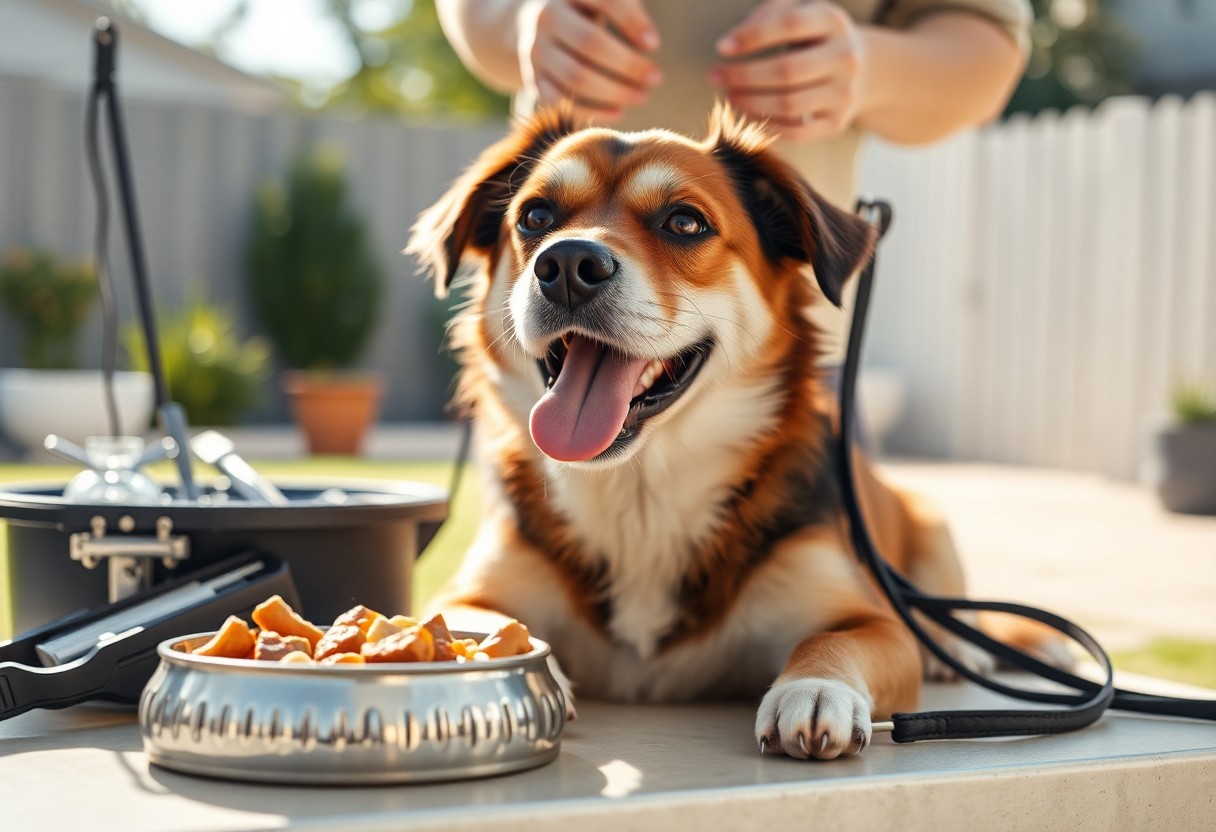
Despite the challenges, training and socialization are imperative for your dog’s well-being. By investing time in these areas, you will help your pet develop good behavior and positive interactions with others. Ensuring your dog is well-trained can significantly reduce anxiety and stress for both you and your pet. For more insights into the overall health of your furry friend, check out these Pet Health Tips: Preventive Measures for a Happy, Healthy ….
Basic Commands and Obedience
Basic commands like sit, stay, and come are fundamental skills every dog should learn. Training your dog to follow these commands not only enhances obedience but also strengthens your bond. Consistency and positive reinforcement will encourage your pet to respond appropriately, making both of your lives more enjoyable.
Socializing with People and Other Dogs
Socializing your dog with various people and other dogs is vital for their emotional health. Exposure to different environments and situations helps your pet become more adaptable and less fearful in unfamiliar settings. This also allows you to cultivate a well-rounded and confident companion.
In fact, early socialization can prevent behavioral issues later on. Introducing your dog to new experiences, such as visits to dog parks or organized playdates, can significantly enhance their social skills. It’s imperative to ensure positive interactions, as negative experiences can lead to fear or aggression. Engaging your dog in classes or group training sessions provides controlled environments for them to learn and grow.
Creating a Safe Home Environment
All dogs thrive in a home environment that prioritizes their safety and well-being. It’s important to assess your living space and remove any potential dangers that could harm your pet. By being proactive, you can create a haven where your dog can explore, play, and relax without unnecessary risks.
Hazard Identification and Prevention
Hazard identification is vital for protecting your dog from dangers within your home. Start by surveying your living space for toxic plants, chemicals, and small objects that can be swallowed. Make sure to secure cords and remove any choking hazards to ensure your pet’s curious nature doesn’t lead to an unfortunate accident.
Comfortable Living Spaces
Safe and comfortable living spaces make all the difference in your dog’s overall happiness. Providing a designated area for your pet to rest, with a cozy bed and familiar items, helps reduce anxiety and fosters a sense of security. Keep this area clean and stocked with toys to promote both relaxation and stimulation.
Identification of a suitable living space is vital for your dog’s comfort. Ensure that the area provides ample ventilation, natural light, and protection from extreme temperatures. By creating an inviting nook with their bed, blankets, and favorite toys, your dog will always have a safe retreat to unwind and feel secure when needed.
Conclusion
From above, you now have a solid understanding of vital dog care tips that will help keep your pet happy and healthy. By providing proper nutrition, regular exercise, routine veterinary visits, and ample love and attention, you’re setting the foundation for a fulfilling life for your canine companion. Always stay informed about their needs and adapt your care as they grow, and you will undoubtedly enjoy a rewarding bond with your furry friend.
FAQ
Q: What are the basic needs for a dog’s well-being?
A: The basic needs for a dog’s well-being include proper nutrition, regular exercise, mental stimulation, routine veterinary check-ups, and a safe and loving environment. Providing a balanced diet suited to your dog’s age, size, and health condition, along with daily activities to keep them engaged, will greatly contribute to their happiness and overall health.
Q: How often should I take my dog for a walk?
A: The frequency and duration of walks can depend on the dog’s age, breed, and energy level. Generally, most dogs benefit from at least 30 minutes to 2 hours of exercise each day. This can be broken down into several shorter walks or play sessions throughout the day. Always observe your dog for signs of fatigue and adjust accordingly.
Q: What are some signs that my dog is healthy?
A: Healthy dogs typically exhibit a bright, alert demeanor, a shiny coat, clear eyes, and steady energy levels. They should maintain a healthy weight, have sturdy, well-formed stools, and demonstrate good hygiene habits. Regular check-ups with the vet can help identify any health concerns early.
Q: How can I create a safe home environment for my dog?
A: To create a safe home environment for your dog, start by removing any hazardous items such as toxic plants, small objects that can be swallowed, and cleaning supplies. Ensure that your home is dog-proof by securing cords, blocking off stairs, and providing a comfortable sleeping area. Supervision is key, especially during the early days of bringing your pup home.
Q: What are some effective ways to train my dog at home?
A: Effective training at home can include positive reinforcement techniques, such as treats, praise, and playtime when your dog exhibits desired behaviors. Start with basic commands like sit, stay, and come. Consistency and patience are imperative, as well as ensuring training sessions are kept short and fun to maintain your dog’s attention and enthusiasm.
