
Dogs
Training Tips For Better Dog Care And Bonding
Feb
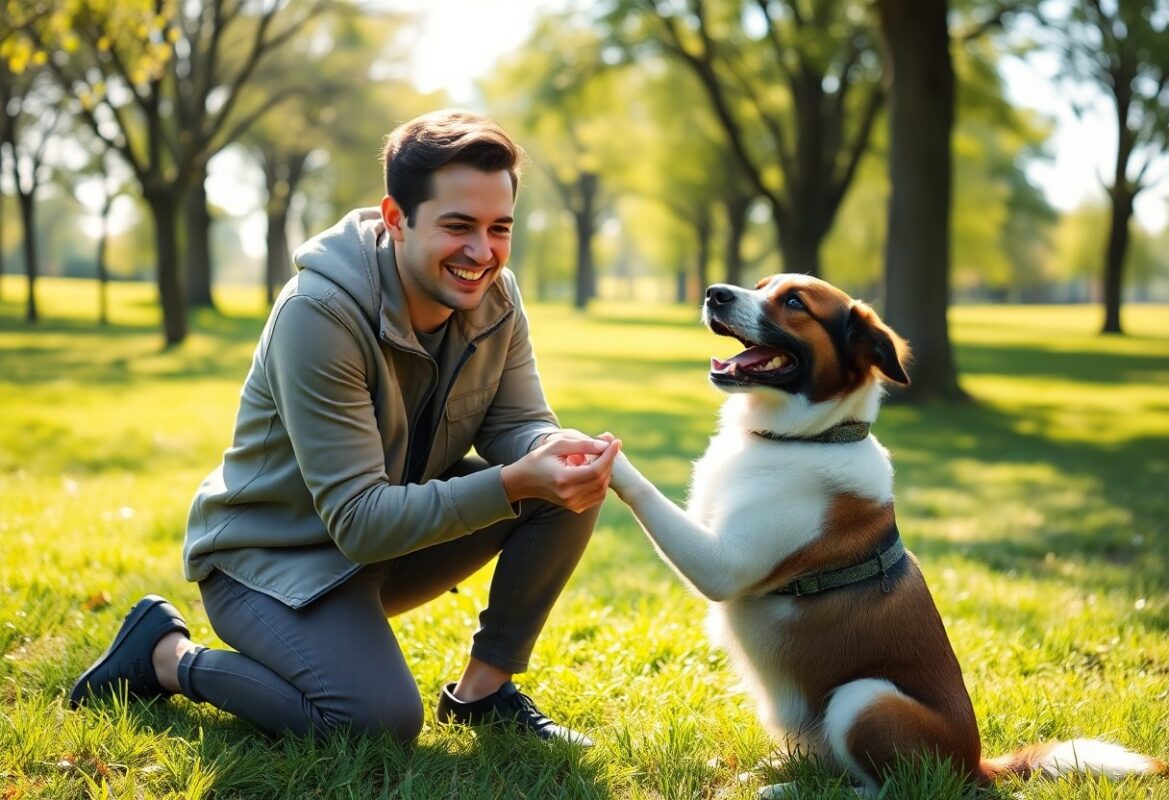
Care for your canine companion involves more than just providing food and shelter; it requires consistent training and meaningful interaction. This guide offers practical tips that enhance your dog care routine while deepening the bond between you and your pet. Whether you’re a new dog owner or looking to refresh your approach, these strategies will help you create a loving, well-behaved, and happy furry friend. Dive in to discover how you can improve your dog training methods and strengthen your relationship with your beloved pet.
Key Takeaways:
- Establish a consistent routine for feeding, walking, and training to create a sense of stability and security for your dog.
- Incorporate positive reinforcement techniques during training sessions to encourage good behavior and strengthen your bond.
- Engage in regular playtime and interactive activities to foster socialization and enhance your dog’s overall well-being.
Understanding Your Dog’s Behavior
The key to fostering a strong bond with your dog lies in understanding their behavior. Dogs communicate not only through barks and growls but also by their body language and actions. By observing these behaviors, you can gain insight into their feelings, needs, and potential stressors. This understanding will not only enhance your dog’s training but also strengthen the relationship you share.
Reading Canine Body Language
One of the most effective ways to connect with your dog is by learning to read their body language. Dogs express their emotions through various physical cues, such as tail positioning, facial expressions, and ear movements. By paying close attention to these signals, you can better assess how your dog is feeling in any given situation and respond appropriately, promoting a harmonious relationship.
Common Behavioral Issues
Above all, being aware of common behavioral issues can help you address problems before they escalate. Many dogs experience challenges such as aggression, anxiety, or excessive barking, which can stem from a variety of underlying causes. By identifying these issues early, you can implement effective training techniques to resolve them, ensuring a happier and healthier environment for both you and your dog.
In fact, addressing behavioral issues early on can prevent them from becoming deeply ingrained habits. Many dogs may bark excessively due to boredom or lack of exercise, while fear or discomfort can lead to aggression. Understanding the root causes allows you to tackle these problems proactively. Whether it’s providing mental stimulation, socialization opportunities, or seeking professional help, taking action can enhance your dog’s well-being and strengthen your bond together.
Essential Training Techniques
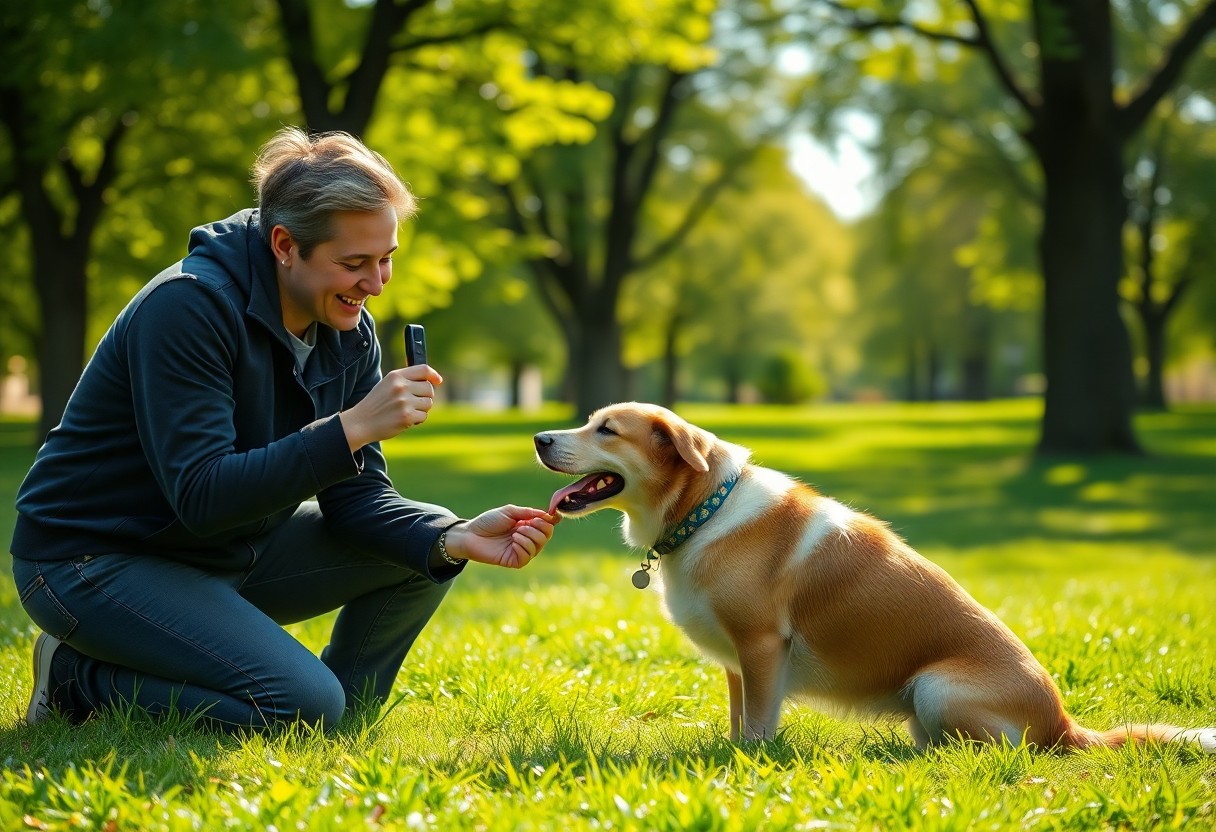
It’s vital to understand that effective dog training encompasses a variety of techniques that foster both your dog’s learning and your bond. Each method plays a distinct role in shaping desirable behaviors and enhancing communication between you and your pet. Incorporating these techniques into your routine can lead to a happier, more well-adjusted dog.
Positive Reinforcement
Essential to any training regimen, positive reinforcement involves rewarding your dog for desired behaviors. This could be through treats, praise, or playtime. By focusing on what your dog does right, you encourage them to repeat those actions, solidifying the desired behavior over time.
Consistency and Patience
Techniques used in dog training require steady application and perseverance. Your dog needs to recognize that the rules are the same every day. By consistently applying commands and rewards, you reinforce learning. Patience is equally important; your dog will progress at their own pace, requiring you to stay dedicated to their development.
But building consistency and demonstrating patience can sometimes be challenging. Dogs often test boundaries, and it’s easy to feel frustrated. Keep a calm demeanor and approach each training session with a positive mindset. Establish clear commands and stick to them, allowing your dog to learn without confusion. Over time, your consistent efforts will be rewarded with a better-behaved pet and a stronger bond.
Building a Strong Bond
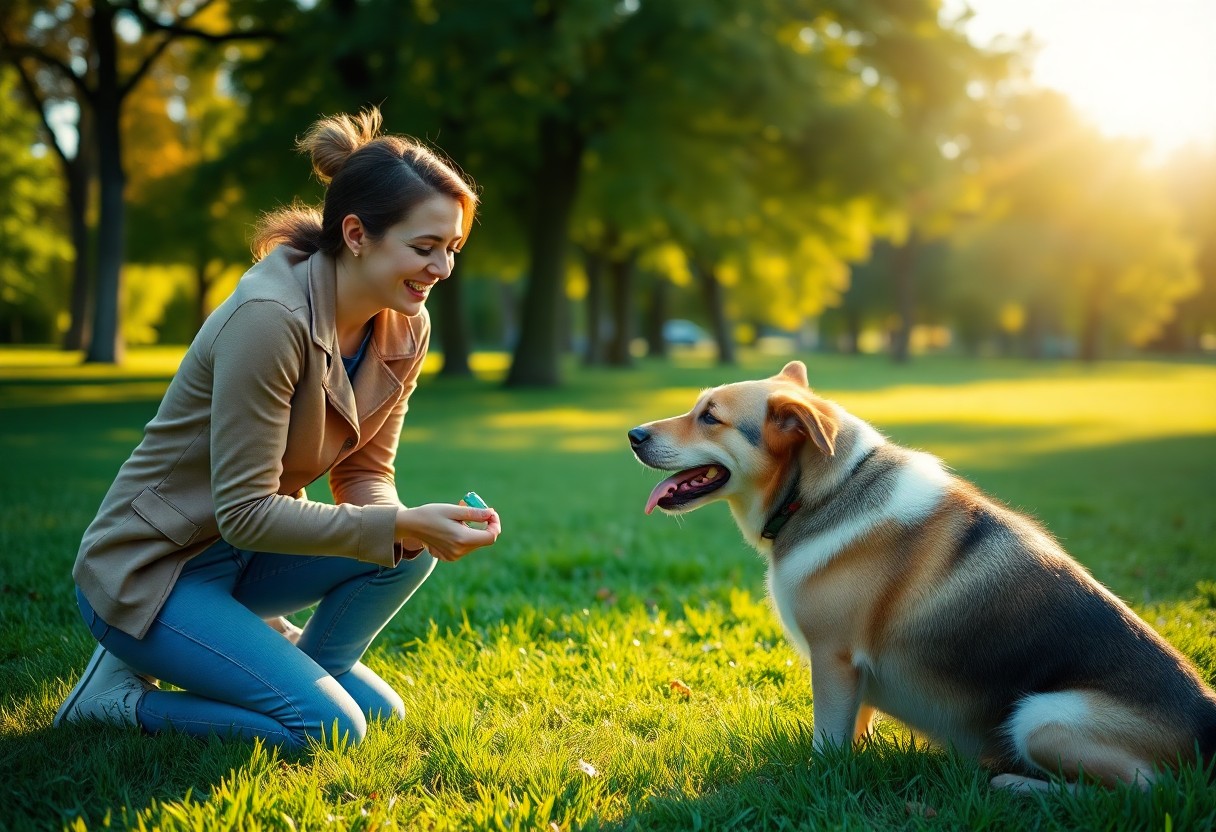
To enhance the bond with your dog, focus on trust and communication. Establishing a solid relationship involves consistent training, positive reinforcement, and spending quality time together. Make an effort to understand your dog’s individual personality and preferences, which will help you connect on a deeper level. A strong bond not only leads to a more obedient pet but also enriches your shared experiences, creating a lifelong companionship.
Quality Time and Activities
On a regular basis, engage in interactive activities with your dog such as playtime, long walks, or even agility training. These shared moments can strengthen your bond and create positive memories. Incorporate both physical and mental challenges in your activities to keep your dog stimulated and happy. Consider varying the environment by exploring new trails or dog parks together to enhance your dog’s excitement and enthusiasm.
Understanding Your Dog’s Needs
One of the most effective ways to bond with your dog is by truly understanding their needs. Take the time to observe their behavior, energy levels, and body language to gain insights into what makes them feel comfortable and happy. Each dog is unique, with different requirements for socialization, exercise, and companionship.
And by tailoring your care to suit those specific needs, you show your dog that you are attuned to them, fostering deeper trust and affection. Pay attention to their reactions during various activities, and adjust play and care routines accordingly. This understanding will allow you to provide a nurturing environment, ultimately enriching your bond and enhancing your dog’s overall well-being.
Health and Nutrition for Training
Many pet owners overlook the role of health and nutrition in their dog’s training journey. A balanced diet not only supports your dog’s overall health but also enhances their ability to learn. To discover how you can strengthen your bond with your furry friend, check out these 10 Expert Tips to Strengthen the Bond with Your Dog.
Importance of Proper Diet
On a daily basis, providing your dog with a nutritious diet is necessary for optimal health and effective training. Quality dog food, rich in the right vitamins and minerals, ensures your canine companion has the energy and stamina needed during training sessions. Tailoring their diet to meet specific needs can also improve focus and responsiveness.
Regular Exercise and Play
Nutrition plays a significant role in your dog’s training success, and regular exercise is equally important. Engaging your dog in physical activities not only promotes a healthy weight but also helps improve their mental stimulation and social skills.
And incorporating regular playtime into your routine can enhance your bond while reinforcing training principles. Activities like fetch, agility courses, or simple tug-of-war not only keep your dog physically active but also encourage positive interactions. As you engage in fun activities, you’ll find that training sessions become smoother, and your dog will be more inclined to learn and respond to commands.
Socialization and Interaction
Keep in mind that socialization and interaction are fundamental components of your dog’s training journey. Providing your dog with varied experiences, from new environments to encounters with other dogs and people, enhances their adaptability and fosters a stronger bond between you. Ensuring that your canine companion feels comfortable and confident in diverse situations helps pave the way for a happy and well-adjusted pet.
Introducing Your Dog to New Environments
After preparing your dog for new adventures, start by gradually introducing them to different environments. Begin in familiar settings, then move to less familiar ones, allowing your dog to explore at their own pace. Pay attention to their body language to ensure they are comfortable, and bring along treats and positive reinforcement to create a positive association with these new experiences. This approach makes each outing enjoyable and encourages your dog to embrace change.
Meeting Other Dogs and People
Among the most exhilarating aspects of socialization is meeting other dogs and people. Regular interactions with a variety of well-mannered dogs and friendly humans help your dog learn appropriate social behavior while building confidence. Aim for structured playdates or visits to dog parks where your dog can safely engage with others. Supervising these interactions is important to ensure positive experiences for both parties, reinforcing desired behaviors as your dog learns how to communicate effectively in social contexts.
With every encounter, you have the opportunity to guide your dog on navigating social situations. Identify dogs that are friendly and well-socialized to show your dog the ropes. Instruct your dog to approach calmly and encourage them to play or engage with gentle prompts. This allows your dog to understand boundaries, signals, and proper behavior in different social settings. Consistent exposure and positive reinforcement will create a foundation for healthy and enjoyable interactions with both canine friends and humans alike.
Advanced Training Tips
For those looking to take their dog’s training to the next level, employing advanced techniques can greatly enhance your relationship and communication. Here are some tips to consider:
|
Teaching Commands and Tricks
An engaging way to foster your dog’s intelligence and obedience is through teaching commands and tricks. Break down each command into manageable steps and utilize praise or treats as positive reinforcement. These activities not only stimulate your dog mentally but also strengthen the bond between you and your furry friend.
Addressing Behavioral Challenges
The journey of dog training can sometimes present behavioral challenges that may require your attention. Issues like excessive barking or inappropriate chewing can be addressed through consistent training and understanding your dog’s needs.
Due to various factors such as lack of exercise, boredom, or anxiety, your dog might develop undesirable behaviors. Identifying the root cause is important for effective intervention. Engaging in regular physical and mental exercises will help alleviate some of these issues. Additionally, consulting with a professional trainer can offer personalized strategies tailored to your dog’s unique challenges, ensuring a harmonious environment for both you and your pet.
Summing up
The training tips provided can significantly enhance your dog care and strengthen the bond between you and your furry friend. By implementing consistent training methods, understanding your dog’s needs, and engaging in regular socialization, you establish a loving and disciplined environment. Always prioritize positive reinforcement techniques and take the time to enjoy play and interaction. With dedication and patience, you will create a rewarding relationship that enriches both your and your dog’s life.
FAQ
Q: What are some effective training techniques to improve my dog’s behavior?
A: Effective training techniques include positive reinforcement, where rewards such as treats or praise are given for desired behaviors. Consistency is also key; ensure all family members are on the same page regarding commands and training sessions. Additionally, using short, engaging training sessions can keep your dog focused and prevent them from becoming bored.
Q: How can I strengthen my bond with my dog through training?
A: Strengthening your bond with your dog can be achieved through interactive training sessions. Engaging in activities like obedience training, agility courses, or even playing fetch promotes teamwork and trust. Regular one-on-one time spent in positive interactions fosters a deep connection, making your dog feel secure and loved.
Q: What is the best way to address my dog’s behavioral issues during training?
A: Addressing behavioral issues requires patience and understanding. Start by identifying the triggers behind the behavior and work to modify your dog’s response. Techniques such as redirecting their attention, using positive reinforcement, and providing appropriate outlets for their energy can help. Consulting with a professional trainer can also offer personalized strategies and support.
Q: How often should I train my dog for optimal results?
A: Training your dog should be a regular part of their routine. Aim for short training sessions of about 5-10 minutes several times a day, especially for puppies or younger dogs. For adult dogs, you may extend the sessions to 15-20 minutes, focusing on different skills or commands. Consistent training throughout the week will reinforce learning and keep your dog engaged.
Q: Are there specific activities I can do with my dog to enhance our training experience?
A: Yes! Engaging in various activities such as obedience classes, socialization events, or canine sports strengthens both training and bonding. Additionally, incorporating fun games like hide and seek, scent work, or puzzle toys can make training enjoyable and promote cognitive stimulation. These activities allow you to connect and communicate with your dog effectively.
